Using the Icom IC-705 in the Field
Now that summer is here and the pandemic is winding down, grab some radio gear and head outdoors. It’s the season for portable operations and finally getting out of couch-potato […]


 An Amateur Radio Blog by DX Engineering
Now that summer is here and the pandemic is winding down, grab some radio gear and head outdoors. It’s the season for portable operations and finally getting out of couch-potato […]
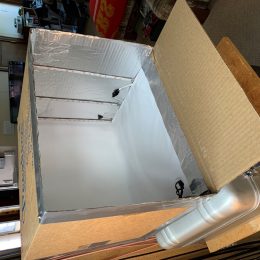
I enjoy sharing my experiences and projects by writing articles for several different amateur radio periodicals. All of the pictures used for my articles recently have been taken with my […]
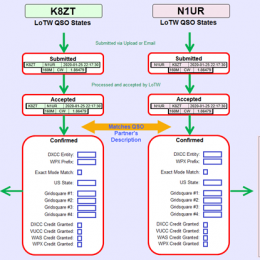
When I started out in Amateur Radio 40 years ago this summer, there were basically three ways to exchange a written confirmation of a contact (a QSL card): Mail your […]
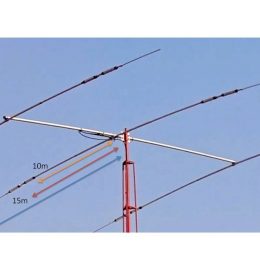
The downsizing of real estate these days reminds me of Halloween candy. Candy bars used to be big, but now they’ve shrunk to something they call “fun size.” Today’s properties […]

Are you tired of spending time on the air struggling to copy the person on the other end of the conversation? Do barking dogs and noisy kids distract you from […]
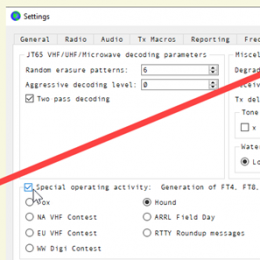
In an earlier article, “Top 10 Tips for Succeeding in FT8 Mode,” I explained how understanding special operating modes is one of the keys to using FT8. In this article, […]
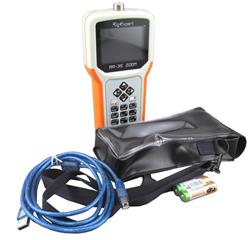
Do you need an antenna analyzer or an antenna tuner? These devices are actually different tools for different tasks. They both are used with antennas, but one doesn’t necessarily replace […]
Less is more. QRP (low power operation) is becoming quite popular among hams who take a minimalist approach to amateur radio communications. Some radio amateurs who are licensed to use […]
Compared to the classic amateur modes of CW, SSB, and RTTY, WSJT-X modes such as FT8 are very structured with constrained message protocol. They are not suited for rag-chewing, and […]
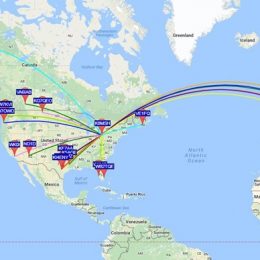
When I want to check for information on propagation conditions, I often look at the N0NBH solar-terrestrial data banner that appears on many ham radio sites. But if you want […]
