EMCOMM: Preparedness and Flexibility of the Go Box
What is a Go Box? The go box–also called go kit, jump kit or EMCOMM box–is a topic that has been much discussed in the amateur radio community. Though extensively […]


 An Amateur Radio Blog by DX Engineering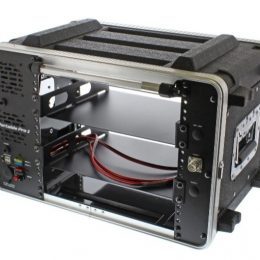
What is a Go Box? The go box–also called go kit, jump kit or EMCOMM box–is a topic that has been much discussed in the amateur radio community. Though extensively […]
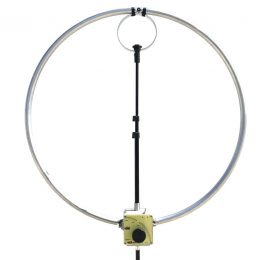
In Part I of Hams on the Go, we discussed the basics of what you need to get on the air when you’re mobile. Now it’s time to look at […]
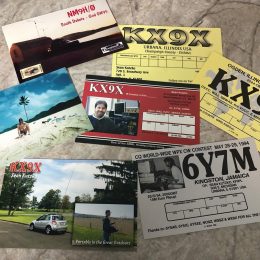
For over a century, hams have exchanged QSL cards to confirm two-way contacts between each other. Originally used to facilitate technical details about a station’s qualities, over time they morphed […]
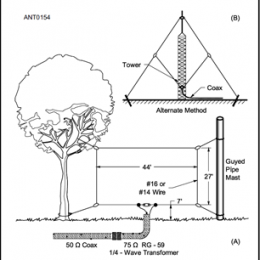
Some of the biggest challenges presented to the Little Pistol, especially one who wants to become a Medium Gun, are the low bands. This generally means 10 MHz and lower, […]
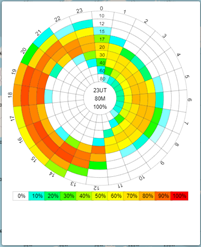
All things being equal… Here comes fall, the time of year when the northern hemisphere emerges from the summertime HF doldrums. At the same time, the southern hemisphere hams are […]
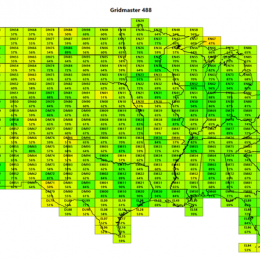
Those new to satellite operating are generally thrilled when they finally talk to another person through an object orbiting in space. As the number of contacts starts to grow, many […]
You’ve gone to great lengths to make sure your antenna is cut for the proper frequency using the 468/MHz formula. You’ve measured twice and cut once, yet the SWR readings […]
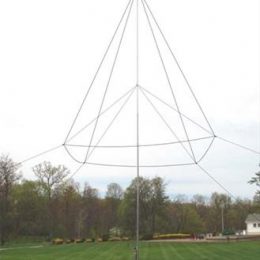
There are very good reasons why you should use the 160 and 80 meter bands. They are usually the least likely to fail under adverse propagation conditions. In times of […]
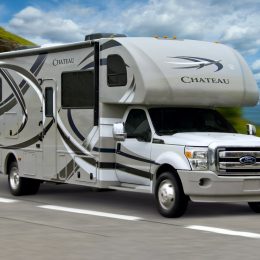
Yes, you can take it with you. Today’s smaller transceivers and accessories allow you to operate from anywhere, whether it’s a cabin at the lake, a weekend at Uncle Joe’s, […]
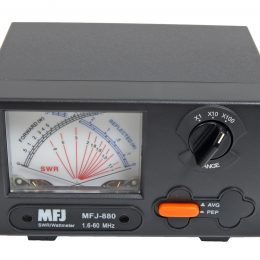
Got Meter? Choosing the Right WattmeterRF inline power meters, or wattmeters, are used by many hams to measure the power flowing from the transceiver to the antenna–and also in the […]
